When I first learned about cryptocurrency, I thought the most important thing was simply choosing a good crypto wallet. Later, I realized that the wallet itself is not the main thing I need to protect. The real key to my crypto is the private key. If someone gets access to my private key, they can potentially control the crypto connected to it. This is why I believe learning how to protect private keys is one of the most important things every crypto user should understand.
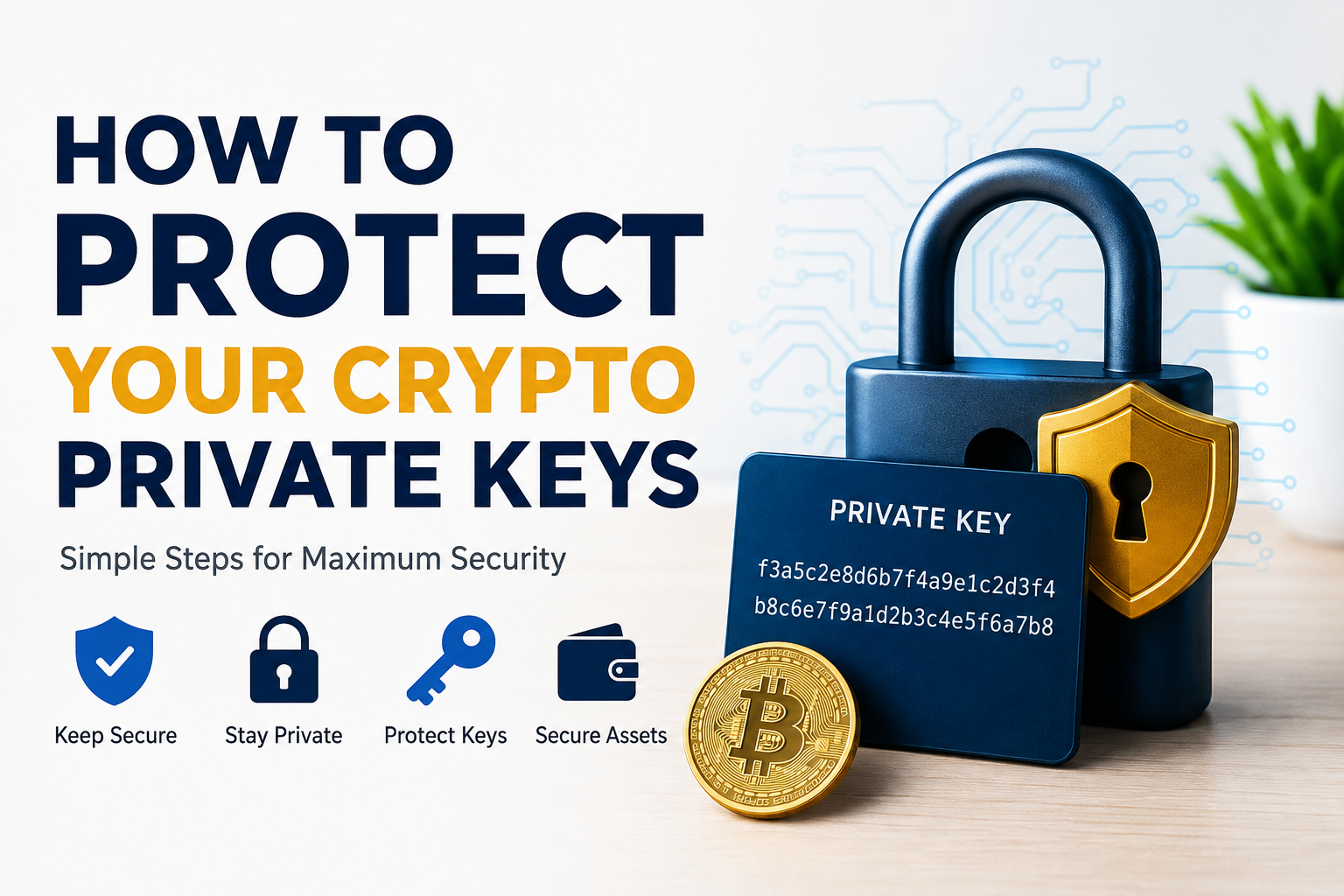
A private key is basically a secret piece of information that proves ownership of a crypto wallet. I think of it like the master key to my digital assets. I do not share it with anyone, and I do not treat it like an ordinary password. If I lose it, I may lose access to my crypto permanently. If another person gets it, they may be able to move my funds without asking for my permission.
In this article, I will share the practical steps I would personally follow to keep my crypto private keys safe.
Never Share Your Private Key
The first rule I follow is very simple. I never share my private key with anyone.
It does not matter if someone claims to be from a wallet company, an exchange, customer support team, or a crypto project. A legitimate service should not need my private key to help me with a normal account problem.
Scammers often create situations where people feel pressured to reveal their private information. They may say that my wallet has a security problem or that I need to verify my account immediately. In reality, they may simply be trying to steal my assets.
For me, the easiest rule is this: if someone asks for my private key or recovery phrase, I stop communicating with them.
Keep Your Recovery Phrase Private
Many crypto wallets provide a recovery phrase when I create a new wallet. This phrase can contain a series of words that can be used to restore the wallet.
I consider my recovery phrase just as sensitive as my private key. In some situations, it can actually provide access to the entire wallet.
I never send my recovery phrase through email, social media, messaging apps, or cloud storage. I also avoid taking screenshots of it because a screenshot could remain on my phone or automatically upload to a cloud service.
I write the phrase down carefully and keep it somewhere secure where other people cannot easily find it.
Store Important Information Offline
One thing I have learned about crypto security is that information connected to the internet has more opportunities to be exposed.
For this reason, I prefer keeping my most important wallet information offline. Writing a recovery phrase on paper can be safer than storing it in a computer file or phone note.
However, paper can also be damaged by water, fire, or simply lost over time. Because of this, I think about both security and durability when choosing where to keep important information.
For larger amounts of crypto, some people use durable metal storage designed for recovery phrases. The main idea is to keep the backup protected from common physical damage.
Use a Hardware Wallet for Long Term Storage
When I am dealing with a meaningful amount of cryptocurrency, I prefer the idea of keeping the private keys away from an internet connected device.
A hardware wallet is designed to keep sensitive key information in a dedicated device. Transactions can still be made, but the private key is generally kept inside the hardware wallet rather than being exposed directly to the computer.
I do not believe a hardware wallet automatically makes someone completely safe. I still need to protect my recovery phrase, check what I am signing, and purchase the device carefully.
Security works best when several good habits are combined.
Buy Wallet Devices From Trusted Sources
If I decide to use a hardware wallet, I pay attention to where I purchase it.
I avoid buying used hardware wallets from unknown sellers because I cannot be completely sure about their history. I would rather purchase directly from the manufacturer or an authorized source.
After receiving a device, I also pay attention to the setup process. If a device arrives with a recovery phrase already written down, I would not simply use it. A wallet recovery phrase should be generated as part of my own setup process.
This is one small detail that can make a huge difference.
Be Careful With Fake Wallet Apps
Another problem I see in the crypto world is fake wallet software.
Scammers can create applications or websites that look almost identical to legitimate wallet services. A person may enter their recovery phrase into the fake application without realizing that the information is being sent to a scammer.
Because of this, I only download wallet software from official sources. I double check the website address and application details before entering sensitive information.
I also avoid clicking random wallet links sent through social media messages.
Do Not Store Private Keys in Notes Apps
Saving a private key or recovery phrase in a phone notes application may seem convenient, but I do not consider it a good long term security practice.
If someone gains access to my phone, account, backup system, or cloud storage, sensitive information could potentially be exposed.
The same applies to storing private keys in ordinary documents on a computer.
Convenience is useful, but when it comes to private keys, I believe security should come first.
Protect Your Computer and Phone
Even if my private key is stored safely, I still need to protect the devices I use to access my crypto.
I keep my operating system and security software updated. I avoid installing suspicious programs, cracked software, or unknown browser extensions.
I also use strong passwords and screen locks on my devices.
A compromised computer can create serious problems because attackers may try to steal passwords, monitor activity, or trick me into approving a transaction.
Crypto security is not only about the wallet. It is also about protecting the entire environment around the wallet.
Use Strong and Unique Passwords
Passwords are another important part of my overall security.
I avoid using the same password for my email, exchange accounts, and other important services. If one website suffers a data breach and I have reused the same password elsewhere, an attacker could try that password on my other accounts.
For important accounts, I use strong and unique passwords. A reputable password manager can also make it easier to manage different passwords without having to remember every single one.
Enable Two Factor Authentication
When an exchange or other crypto related service supports two factor authentication, I prefer to enable it.
Two factor authentication adds another layer of protection beyond my password. Even if someone discovers my password, they may still need the second authentication method.
I do not treat two factor authentication as a replacement for protecting my private key. Instead, I see it as another security layer for the accounts that I use around my crypto.
Watch Out for Phishing Scams
Phishing is one of the biggest dangers I pay attention to.
A phishing message can look professional and may even use the name and logo of a real company. The message might tell me that I need to connect my wallet, verify my account, claim a reward, or fix a security issue.
The goal is often to make me click a malicious link or reveal sensitive information.
I have learned not to make financial decisions simply because a message creates urgency. If I receive an important notification, I prefer opening the official website or application myself instead of using the link provided in the message.
Check Transactions Before Signing
Protecting a private key does not mean I can ignore transactions.
When using a crypto wallet, I need to pay attention to what I am actually approving. Some malicious websites can ask users to sign transactions that give another party certain permissions.
Before I approve anything, I try to understand what I am signing and where my assets are going.
This habit is especially important when interacting with decentralized applications and unfamiliar websites.
Keep Backup Copies Secure
I believe having a backup is important, but the backup itself must be protected.
If my recovery phrase exists in only one physical location and that location is destroyed, I could lose access to my wallet.
On the other hand, making many copies and leaving them in random places increases the chances that someone else will discover them.
I would rather have a carefully planned backup strategy where important copies are stored in secure locations that I can access when necessary.
Avoid Telling People How Much Crypto You Own
Another habit I think is underrated is keeping financial information private.
I do not see a reason to publicly share the exact amount of cryptocurrency I hold. Posting wallet balances, transaction details, or screenshots can attract unwanted attention.
The less information strangers have about my assets, the fewer opportunities they have to target me.
Crypto can be exciting, but I think privacy is part of security.
Create a Simple Security Routine
The best security system is one I can actually follow consistently.
I would rather have a simple security routine that I understand than a complicated system that I eventually stop using.
My routine would include keeping recovery information offline, using trusted wallet software, protecting my devices, using strong passwords, enabling two factor authentication, checking transactions carefully, and avoiding suspicious messages.
I would also review my security habits from time to time. Technology changes, and new scams appear regularly, so staying informed is important.
Final Thoughts
Protecting crypto private keys is not something I would take lightly. In traditional banking, I may be able to contact a bank if something goes wrong. With cryptocurrency, recovering stolen or lost assets can be much more difficult, and in some cases it may be impossible.
That is why I believe responsibility starts with the person controlling the wallet.
For me, the most important rule is simple: my private key and recovery phrase should remain private. I would never share them with someone online, enter them into an unknown website, or store them carelessly on an internet connected device.
I also believe that crypto security is not about finding one perfect solution. It is about building several layers of protection. A secure wallet, careful online behavior, strong authentication, safe backups, and awareness of scams can work together to reduce risk.
The more valuable my crypto becomes, the more seriously I should take its security. Taking a few extra minutes to protect my private keys today can save me from a much bigger problem in the future. In my opinion, protecting the key to my crypto is just as important as choosing where to keep the crypto itself.