Cryptocurrency has become a popular topic among people who are interested in technology, online payments, and new investment opportunities. When I first started learning about crypto, I noticed that there was a lot of excitement around it, but there was also a serious problem that beginners often overlook. That problem is crypto scams.
Crypto itself is not automatically a scam. It is a technology that can be used for many different purposes. The real danger comes from people who use the popularity of cryptocurrency to trick others into sending them money, sharing private information, or connecting their wallets to harmful websites.
In my opinion, the best way to stay safe in the crypto world is not to become afraid of cryptocurrency. Instead, it is important to learn how common scams work and understand the warning signs before making any decision.
Why Crypto Scams Are So Common
Crypto scams are attractive to criminals because cryptocurrency transactions can be difficult to reverse. If someone sends money to the wrong wallet, getting it back can be extremely difficult. Scammers also take advantage of the fact that many beginners do not fully understand wallets, private keys, exchanges, or blockchain transactions.
Another reason is the promise of quick profits. Many people are attracted to crypto because they hear stories about people making large amounts of money. Scammers know this and create fake opportunities that look very profitable.
From my point of view, whenever someone promises easy money with little or no risk, that should immediately make you suspicious.
Fake Investment Opportunities
One of the most common crypto scams involves fake investment platforms. A scammer may create a professional looking website that claims to offer cryptocurrency trading, mining, staking, or investment services.
The website may show fake profits increasing every day. At first, the victim might even be allowed to withdraw a small amount of money. This creates trust and encourages the person to invest more.
Eventually, when the victim tries to withdraw a larger amount, the platform may demand additional fees, taxes, or verification payments. After receiving the money, the scammers may disappear.
I believe the biggest warning sign here is a guaranteed return. Legitimate investments always involve risk. If someone tells you that you can earn a fixed or guaranteed profit from crypto without any risk, it is better to walk away.
Fake Crypto Giveaways
Another common scam is the fake giveaway. You may see a post on social media claiming that a famous person, company, or crypto project is giving away cryptocurrency.
The scammer usually asks people to send a certain amount of crypto to a wallet with the promise that they will receive a larger amount in return.
For example, a fake promotion might claim that sending a small amount of Bitcoin will result in receiving twice as much Bitcoin back.
This sounds attractive, but legitimate cryptocurrency giveaways do not normally require you to send money first in order to receive a larger amount.
Scammers can also create fake social media accounts that look almost identical to the accounts of well known personalities or companies. Before trusting any giveaway, I would always check the official website and verified social media accounts.
Phishing Scams
Phishing is another major problem in the cryptocurrency world. In a phishing scam, criminals try to convince you to enter sensitive information on a fake website.
For example, you might receive an email or message saying that your crypto exchange account has a security problem. The message may contain a link asking you to log in.
The website can look almost exactly like the real exchange. If you enter your username, password, or other information, the scammer can steal it.
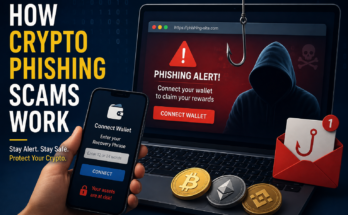
Crypto phishing scams can also target wallet users. A fake website may ask you to connect your wallet or enter a recovery phrase.
My personal rule is simple. I never trust an unexpected message asking me to log in or provide sensitive information. Instead, I open the official website directly rather than clicking a link in a message.
Fake Customer Support
Crypto users can also become victims of fake customer support scams. Someone may pretend to work for a cryptocurrency exchange, wallet company, or blockchain project.
They might contact you through social media and claim that they can solve a problem with your account.
The scammer may then ask for your password, private key, recovery phrase, or a payment.
Real support teams should never need your private recovery phrase. Your recovery phrase is extremely sensitive because anyone who has it may be able to control the assets in that wallet.
If someone asks for your recovery phrase, I consider that a major warning sign.
Pump and Dump Scams
Pump and dump schemes are another problem, especially with small and unknown cryptocurrencies.
In this type of scheme, scammers create excitement around a particular token. They may post messages saying that the price is about to increase dramatically.
People start buying because they do not want to miss the opportunity. As more people buy, the price can rise quickly.
The people behind the scheme may already own a large amount of the token. Once the price reaches a certain level, they sell their holdings.
The price then falls, sometimes very quickly, leaving other investors with major losses.
Whenever I see a cryptocurrency being promoted with phrases like “buy now before it explodes,” I become very cautious. Strong emotional pressure is often used to stop people from thinking carefully.
Romance and Friendship Crypto Scams
Crypto scams are not always about fake websites or investment companies. Sometimes scammers build personal relationships with their victims.
A person may meet someone through social media, a dating platform, or an online community. After developing trust over time, the scammer may introduce cryptocurrency as an investment opportunity.
They may claim to be successful with crypto and offer to help the victim make money.
Eventually, they ask the victim to send cryptocurrency or transfer money to a particular platform.
This type of scam can be especially damaging because it combines financial manipulation with emotional trust.
In my opinion, anyone who asks for cryptocurrency payments or investments through an online relationship should be treated very carefully.
Fake Apps and Wallets
Another danger is downloading fake cryptocurrency apps or wallets.
Scammers can create applications that look similar to legitimate wallets or exchanges. A user may download the wrong app and unknowingly provide sensitive information.
Before installing a crypto application, I recommend checking the developer name, official website, reviews, and other trusted information.
It is also important to avoid downloading applications from random links sent through messages.
Malicious Smart Contracts
Some crypto scams involve malicious smart contracts. A website may ask you to connect your wallet and approve a transaction.
The website may look legitimate, but the transaction you approve could give another party permission to interact with your assets.
This is why I believe beginners should not connect their wallets to every website they see online.
Before approving a transaction, it is important to understand what you are signing. If something is unclear, stopping and researching the project is safer than approving it immediately.
How to Recognize a Crypto Scam
There are several warning signs that can help identify suspicious crypto opportunities.
The first warning sign is unrealistic profit. If someone promises that your money will double quickly with no risk, be extremely careful.
The second warning sign is pressure. Scammers often tell victims that an opportunity is available for only a few minutes or that they must act immediately.
The third warning sign is a request for private information. Never share your wallet recovery phrase, private key, or sensitive account credentials with strangers.
Another warning sign is poor transparency. If a project does not clearly explain who is behind it, how it works, and where users can verify its information, I would avoid investing until more research is completed.
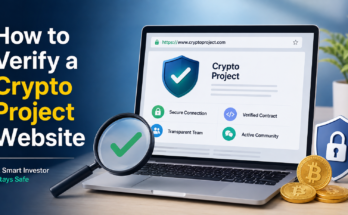
Fake websites can also contain strange domain names, spelling mistakes, copied content, or suspicious links. These signs do not always prove that a website is fraudulent, but they are reasons to investigate further.
Do Your Own Research
One of the strongest protections against crypto scams is doing your own research.
Before investing in a cryptocurrency or using a platform, I would look for information from several independent sources. I would check the official project website, documentation, developer information, community discussions, and reputable crypto news sources.
I would also avoid making decisions based only on social media posts.
A project can have thousands of followers and still be dangerous. Followers, likes, and comments can sometimes be purchased or manipulated.
Research takes time, but losing money because of a rushed decision can take much longer to recover from.
Never Share Your Recovery Phrase
If there is one crypto security rule that I think every beginner should remember, it is this: never share your wallet recovery phrase with anyone.
Your recovery phrase is designed to help you restore access to your wallet. It should be treated like extremely sensitive information.
No legitimate support representative should need it. No online friend should need it. No investment manager should need it.
If someone asks for it, stop the conversation immediately.
What to Do If You Think You Found a Scam
If you believe you have discovered a crypto scam, do not send any more money.
If you have already connected your wallet to a suspicious website, review the permissions and transactions associated with the wallet and take appropriate security steps.
If you shared your password, change it immediately, especially if you use the same password elsewhere.
You should also report fraudulent websites, accounts, and investment platforms to the relevant service or authority.
Most importantly, do not let embarrassment stop you from asking for help. Scammers are experienced at manipulating people, and anyone can become a target.
Final Thoughts
Crypto scams can look convincing, especially when they are designed to create excitement, fear, or urgency. However, most scams have warning signs if you take enough time to examine them.
In my view, the most important habits are simple. Do not trust guaranteed profits. Do not rush because someone says an opportunity will disappear. Never share your recovery phrase or private keys. Check websites and apps carefully. Research projects before investing. Most importantly, remember that protecting your money is more important than chasing the next big opportunity.
Cryptocurrency can be an interesting and useful technology, but it requires responsibility. The more you understand common scams, the easier it becomes to recognize suspicious offers before they cause financial damage.
I believe that learning about crypto security should be one of the first steps for every beginner. You do not need to understand every technical detail of blockchain technology to protect yourself. You simply need to slow down, question unrealistic promises, verify information, and never give strangers control over your money or wallet.
When something in crypto looks too good to be true, taking a step back is often the smartest investment decision you can make.